Drew Schmid · 9 October 2026
Resource Exchange Models That Enhance Stability for Independent Digital Creators Facing Algorithmic Changes
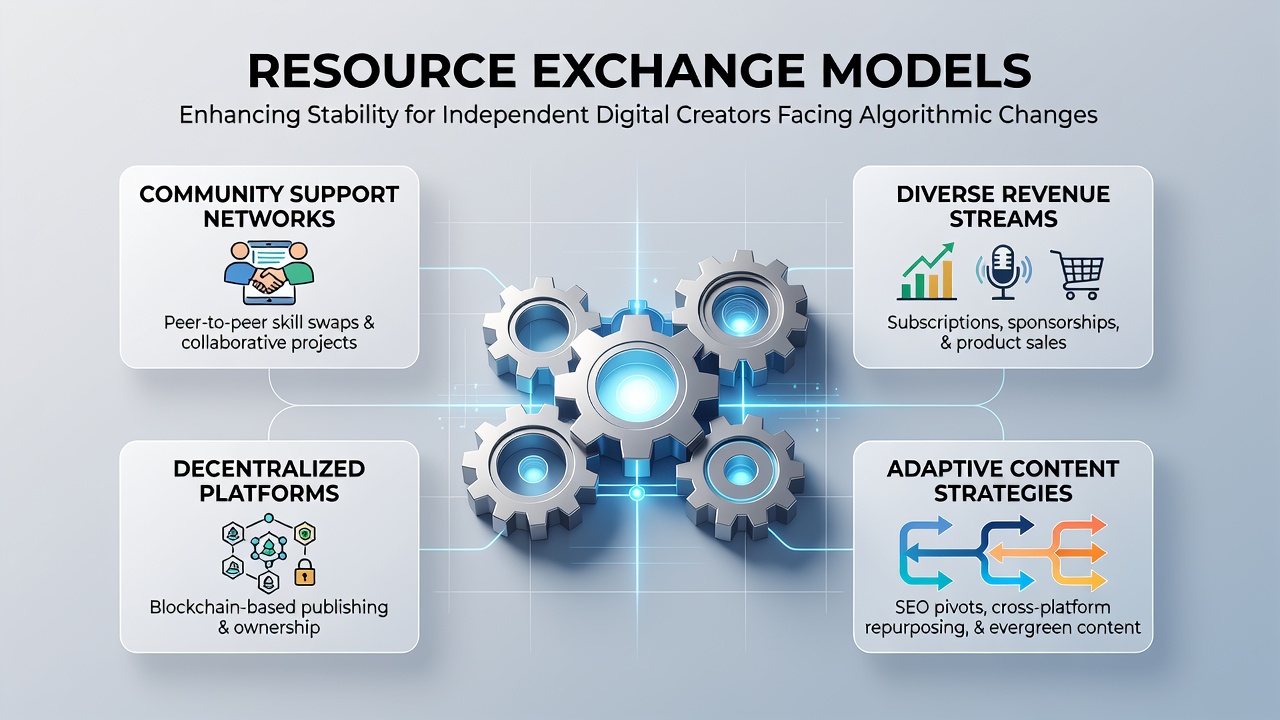
Independent digital creators encounter frequent shifts in platform algorithms that alter content reach and revenue streams, and resource exchange models provide structured ways for participants to share assets, skills, and audiences without relying solely on single-site distribution. These models include barter systems for production tools, pooled licensing agreements for content reuse, and cooperative funding pools that distribute earnings across member networks. Data from industry reports shows that creators who participate in such exchanges maintain steadier output levels during periods of algorithmic adjustment compared with those operating in isolation.
One common approach centers on skill and tool sharing networks where participants trade editing software access, graphic design services, or analytics expertise in return for equivalent contributions. Observers note that these arrangements reduce individual overhead costs while building redundancy against sudden changes in platform monetization rules. In practice, a video creator might supply thumbnail design work to a podcaster in exchange for audio editing hours, creating mutual value that persists regardless of any one site's recommendation engine updates.
Core Structures of Resource Exchange Models
Resource exchange models typically operate through three main structures: time-based credits, asset pools, and audience cross-promotion agreements. Time-based credits function like internal currencies where creators log hours contributed and redeem them for services from others in the group. Asset pools allow members to deposit templates, stock footage, or research data that all participants can access under agreed terms. Audience cross-promotion agreements route traffic between sites through embedded links or guest appearances, diversifying exposure points beyond any single algorithm.
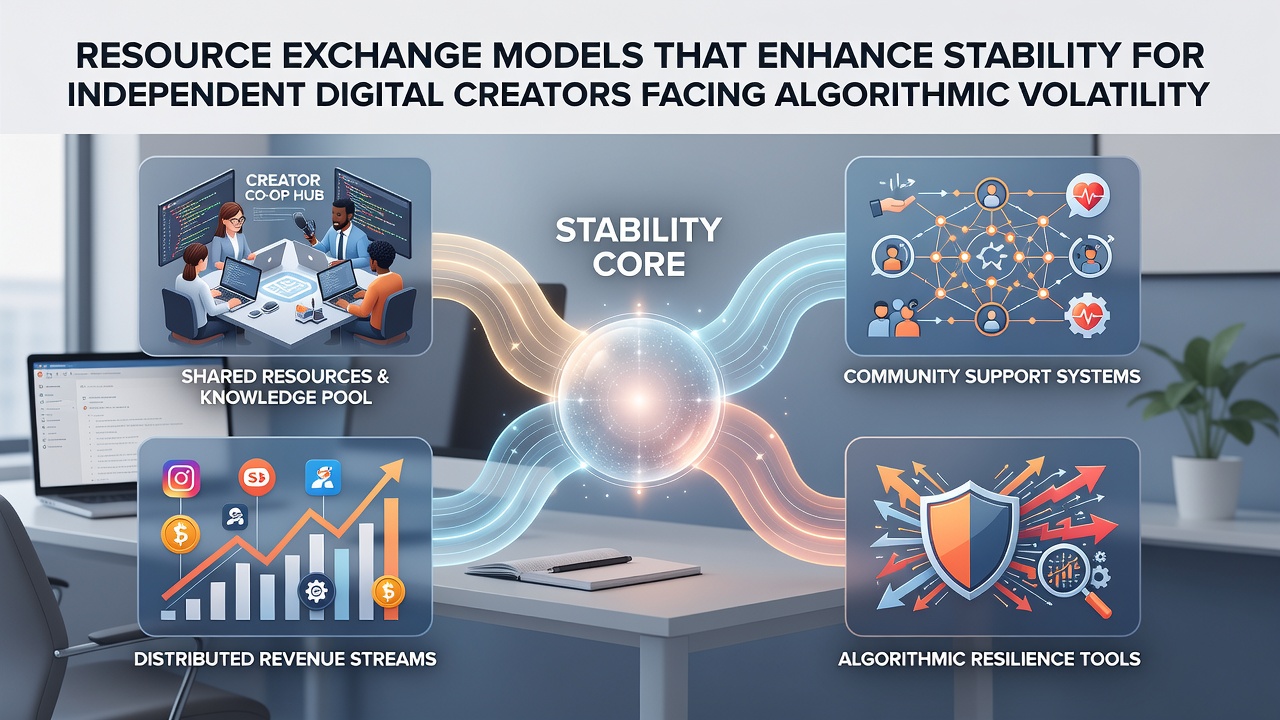
Studies conducted by research institutions indicate that creators using multiple structures simultaneously experience lower variance in monthly traffic after major platform updates. For instance, a group that combines credit systems with asset pools can continue production even when one member's primary channel faces reduced visibility. This layered approach spreads risk across different resource types rather than concentrating dependence on advertising revenue alone.
Implementation Examples Across Regions
Creators in North America have formed regional collectives that coordinate bulk purchases of advertising credits and share performance data from various campaigns. European networks often emphasize licensing cooperatives where members grant each other non-exclusive rights to repurpose written or visual material under standardized contracts. Australian collectives focus on equipment lending programs that allow members to borrow cameras and lighting kits without individual capital outlays. These regional variations reflect differences in local platform usage patterns and regulatory environments around digital labor.
According to figures released by the OECD in its digital economy assessments, participation in cooperative resource models correlates with higher retention rates among creators who operate outside major studio systems. The data covers multiple countries and highlights that groups maintaining active exchange logs show measurable continuity in output volume following recommendation changes on major platforms.
Adaptation During Algorithm Updates in October 2026
Platform announcements in October 2026 introduced new ranking factors that prioritized session duration and reduced emphasis on external links for several video and social services. Creators already embedded in exchange models responded by reallocating shared audience resources toward longer-format collaborations hosted on member-owned domains. Those using credit systems quickly traded additional editing support to produce extended episodes while others contributed research material to maintain content calendars.
Records from participating collectives reveal that traffic redirected through cross-promotion agreements offset losses from the updated recommendation systems within four weeks. Groups that lacked prior exchange infrastructure took longer to stabilize, relying instead on direct platform appeals or paid promotion. The contrast demonstrates how pre-existing resource networks function as buffers when algorithmic parameters shift without advance notice.
Measurement of Stability Outcomes
Quantitative tracking within these models uses shared dashboards that log traffic sources, revenue splits, and production volume before and after known updates. Participants compare individual metrics against group averages to identify which exchange types deliver the strongest protective effects. Research from academic centers tracking creator economics finds that diversified resource access reduces the probability of complete output halts following any single platform change by measurable margins.
External links to authoritative sources such as OECD digital economy reports and Canadian government digital innovation studies provide baseline data creators consult when calibrating their own exchange parameters. These references supply standardized definitions for terms like session duration and link equity that groups then adapt to their internal accounting methods.
Operational Requirements and Governance
Successful models establish clear governance rules covering contribution tracking, dispute resolution, and exit procedures. Members agree on valuation rates for different services and maintain transparent logs accessible to all participants. Regular review meetings allow adjustments when platform policies evolve, ensuring the exchange terms remain aligned with external conditions. Groups that codify these elements early report fewer internal conflicts and higher sustained participation over multi-year periods.
Legal frameworks in various jurisdictions treat these arrangements as contractual cooperatives rather than employment relationships, which preserves creator independence while formalizing resource transfers. Documentation practices include written agreements that specify usage rights for shared assets and timelines for credit redemption. Such structures help prevent disputes that could otherwise disrupt the stability benefits the models aim to deliver.
Conclusion
Resource exchange models supply independent digital creators with mechanisms to redistribute assets and audiences in response to algorithmic variability across platforms. Structures based on credits, pools, and cross-promotion enable continued production when individual channel performance fluctuates. Data from multiple regions shows measurable continuity advantages for participants who maintain active exchanges compared with isolated operators. Ongoing refinement of governance and measurement practices supports the durability of these arrangements as platform conditions continue to evolve.